
At a Glance
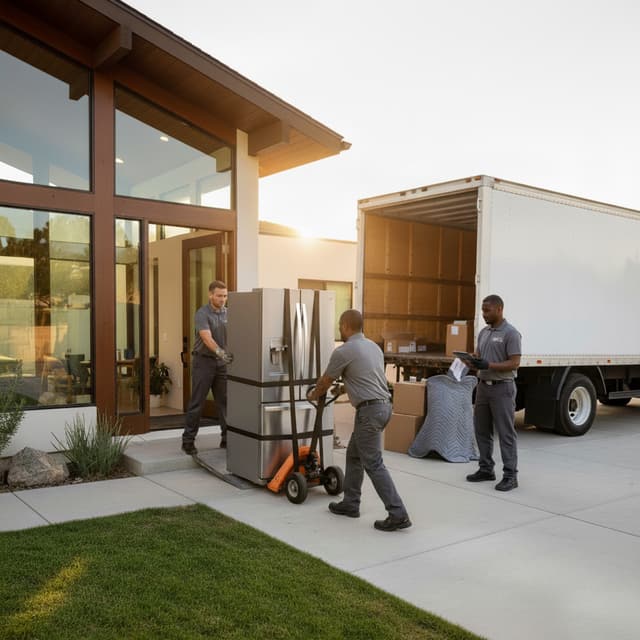
A new refrigerator, range, dishwasher, or laundry pair can transform a room, but the appliance still has to pass through the doorway, fit the opening, and connect to the utilities already in place. Searching for “appliance installers near me” is only one part of planning a smooth delivery. Accurate measurements, working shutoff valves, proper electrical service, and a clear route through the home all need attention before the truck arrives.
A little preparation can prevent delays, damage, and unexpected installation costs. Specialty Appliance combines local delivery support with professional setup to help Colorado homeowners complete the process with confidence. This guide provides a practical appliance installation checklist covering measurements, delivery access, utility connections, old appliance removal, and the final tests to request before the installation team leaves.
Upgrade Your Home Today
Shop our premium selection of top-tier appliances and schedule your professional delivery.
Explore AppliancesKey Takeaways
- Accurate Measurements: Measuring every hallway, stairwell, and door frame guarantees the appliance actually makes it into your kitchen.
- Utility Readiness: Testing existing water shutoffs and confirming correct electrical voltages prevents last-minute installation failures.
- Clear Pathways: Removing rugs, wall art, and old appliances clears a safe delivery path for heavy equipment.
- Professional Support: Hiring trained local teams protects your home from accidental damage during heavy lifting.
The Most Important First Step: Measuring Your Appliance Space
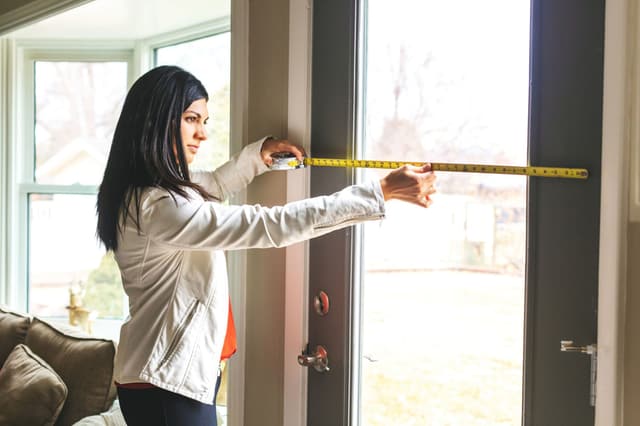
Measuring to prepare home for new washer, dryer, or refrigerator requires far more than just checking the final cabinet cutout. The most frequent error homeowners make involves ignoring the physical path the unit must travel from the street to the kitchen. You must measure every single hallway width, stairwell ceiling height, tight corner, and doorway along the entire delivery route. Apply the standard 3-point measurement rule to everything: check the exact height, width, and depth of both the appliance and your home's entry points. Don’t forget to also verify the appliance measurements so you know it correctly fits in your space.
Measurements should also account for the space an appliance needs after installation. Refrigerators may require clearance around the cabinet for ventilation, while ranges and laundry appliances need enough rear depth for cords, hoses, gas connections, or dryer vents. Record the narrowest point along the delivery route and compare it with the appliance dimensions listed by the manufacturer. If the fit is close, ask if doors, handles, drawers, or packaging can be removed safely during delivery. Never assume the dimensions of your current appliance will match a newer model in the same category.
Factor in Hidden Obstacles and Door Swings
A major practical tip is to always measure from the thickest part of your baseboards and wall trim, rather than wall-to-wall. Trim easily eats up a full inch of usable space in tight corridors. Once the unit is in the kitchen, you must also calculate the door swing clearance. A massive refrigerator or front-load washer does you no good if the door hits a kitchen island or laundry room wall before opening completely.
Preparing Your Water, Gas, and Electrical Connections
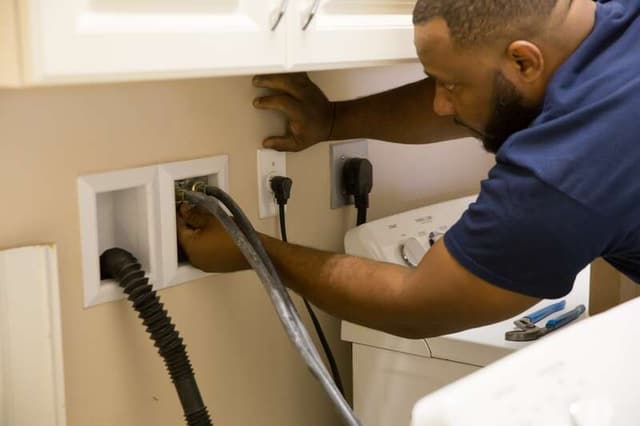
When you're hiring “professional appliance installers near me,” it’s important to ensure your home is prepped for the appliance installation. They’ll handle heavy lifting and standard connections, but they are not licensed to rebuild your home's infrastructure on the spot. Preparing for appliance delivery means verifying your utilities are completely functional before the truck parks outside. Electric ranges and heavy-duty dryers require dedicated electrical outlet requirements to operate safely. Check that your wall receptacles match the exact prong configuration of your new unit's heavy power cord.
Review the appliance specifications before scheduling installation because connection requirements vary by model. Confirm the outlet location, voltage, circuit capacity, water-line size, drain position, and ventilation needs listed in the installation guide. Some homes may require an electrician, plumber, or HVAC professional to update existing infrastructure before delivery. Local codes can also affect gas connections, dryer venting, and make-up air requirements. Completing these upgrades in advance allows the installation team to focus on standard hookups, leveling, and testing during the scheduled appointment.
Checking Plumbing and Gas Lines
Utility hookups demand strict attention to safety codes. When you connect a gas range, the wall must feature a code-compliant, easily accessible shutoff valve located directly behind the appliance. Water lines require similar preparation to prevent property damage.
- Test the water valves for your dishwasher water line setup to confirm they turn easily by hand.
- Inspect refrigerator ice maker lines for hard water corrosion or tiny pinhole leaks.
- Verify that the main shutoff completely stops the flow of water without dripping.
If any of these valves are frozen shut with rust, you must bring in a plumber prior to your delivery day.
Disconnecting and Emptying Your Outdated Kitchen Appliances
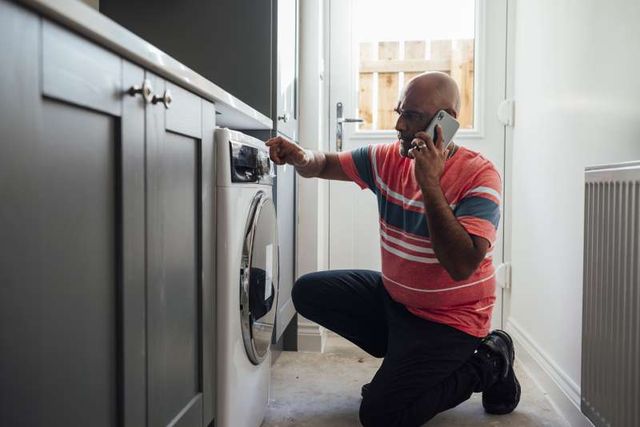
If your purchase includes an old appliance haul away service, the existing units must be completely ready for transport. You must clear out all food, wipe down the interior, and unplug the unit completely. Defrosting older freezers at least 24 hours in advance prevents dirty ice water from leaking all over your hardwood floors during removal.
Other household machines require specific teardown steps. Run a final empty clean cycle on your old dishwasher and drain the water lines completely into a bucket. Disconnect the drain hoses on your washing machine and tape the power cords securely to the back of the chassis. Keep in mind that heavy built-in appliances often require professional disconnection prior to the delivery team's arrival unless you explicitly added tear-down services to your installation contract.
Navigating Delivery Day and Post-Installation Testing
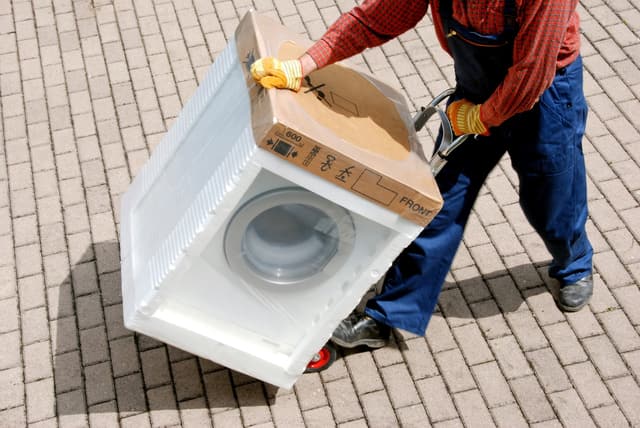
When the truck finally arrives, establishing a clear delivery path protects both your home and the workers. Roll up all floor rugs, remove hanging wall art in tight hallways, and keep pets secured in a separate room. Once the team unboxes the unit in your driveway or kitchen, perform a strict visual inspection. Look closely for cosmetic damage like dents, deep scratches, or missing knobs before you sign the final delivery waiver accepting the product.
After the unit is moved into place, the installation team needs to verify it actually functions safely. A professional appliance installation always concludes with a basic diagnostic test. The installers will use a tool to level the unit perfectly so doors close correctly on their own. They will then turn on the water supply to check for immediate leaks and run a short test cycle to verify the digital control board responds accurately.
Before the installers leave, open every door and drawer to confirm nothing rubs against nearby walls, cabinets, or countertops. Check that the appliance sits securely, trim pieces are aligned, and protective film or shipping hardware has been removed. Ask the team to explain the shutoff locations, basic controls, and any steps that must be completed before first use. Keep the model and serial numbers, installation paperwork, and warranty information together for future service needs. Photographing the finished connections can also provide a useful reference if the appliance is moved or serviced later.
Transform Your Home with Trusted Appliance Installers
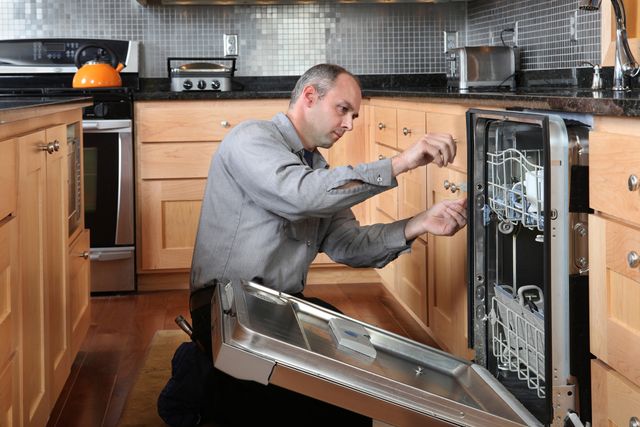
Getting accurate physical measurements, testing your water shutoff valves early, and clearing a wide path makes your home upgrade incredibly simple. Trusting experienced local professionals to handle the heavy lifting protects your floors and guarantees your equipment runs perfectly from day one. Finding dependable “appliance installers near me” eliminates the stress of complicated plumbing and electrical connections.
If you are ready to upgrade your kitchen or laundry room, consult with the experts at Specialty Appliance today. As a premier independent Colorado retailer with over 20 years of experience, we provide personalized showroom consultations, factory-certified installation teams, and real local accountability that big-box competitors simply cannot match.
Appliance Installation FAQs
Measure the height, width, and depth of the cabinet cutout, then verify those dimensions fit through every hallway and door frame along the delivery path. Failing to measure the physical route to the kitchen is the most common reason appliance deliveries fail.
Standard delivery teams will connect flexible gas lines and braided water hoses to existing, fully functional shutoff valves. They are not licensed plumbers, so they cannot install new copper piping or replace heavily corroded wall valves.
Most local appliance delivery services offer haul-away and recycling programs for an additional fee when you purchase a new unit. You must empty, unplug, and defrost the old appliance entirely before the team arrives to remove it.
You can often remove the physical doors from their interior hinges to gain an extra inch of clearance for tight deliveries. If the chassis still will not fit, delivery professionals can sometimes safely remove the appliance doors before carrying it inside.
You only need to hire a plumber if your existing water supply valve is frozen, leaking, or heavily corroded with mineral buildup. If the shutoff valve turns easily and stops the water completely, standard installers can handle the new hose connections.
You should always purchase brand-new stainless steel braided hoses when installing a new washer in your laundry room. Reusing old rubber hoses creates a massive flood risk because the rubber weakens and degrades over time under high water pressure.
Why Trust the Experts at Specialty?
For over 20 years, Coloradans have relied on us for the best in home appliances. We believe in providing a personalized experience for every customer. Our experts take the time to listen to your needs, preferences, and budget constraints, offering tailored recommendations and solutions that fit your unique requirements. Whether you're remodeling your kitchen or replacing a single appliance, you can trust our experts to provide honest, unbiased advice that prioritizes your satisfaction. A factory-certified team ensures a hassle-free experience, meticulously handling every detail from delivery to installation. Plus, with our wide variety of brands and models, you'll have access to the latest innovations, stylish designs, and reliable performance.
At Specialty Appliance, integrity, accountability, and teamwork are at the core of everything we do. We're committed to empowering you to make smarter choices and providing an exceptional customer experience. Proudly serving communities across Colorado, we're dedicated to being your trusted partner for appliance excellence.
Shop Appliances at Specialty Appliance
Whether you’re interested in the latest appliances or have more questions about appliance installation, we're here to help. Discover the Specialty Appliance difference today at one of our five showrooms across Colorado.
Learn More: How an LG Gas Range Brings Smart Control to Your Kitchen