
At a Glance
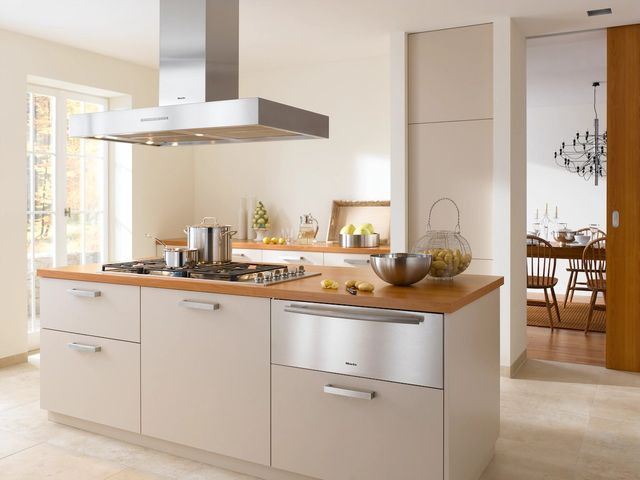
Smoke control begins long before the first pan reaches the burner. A stove top and range hood must be selected as a working pair, with the hood’s width, airflow, mounting height, and ductwork matched to the cooking surface below. When any part of that setup is wrong, odors linger, grease reaches surrounding surfaces, and the ventilation fan may create plenty of noise without capturing the air effectively.
These problems are easier to prevent with informed planning and proper maintenance. Specialty Appliance helps Colorado homeowners coordinate cooking and ventilation products for their kitchen layouts and everyday cooking habits. This guide identifies common sizing, CFM, installation, cleaning, and filter-care mistakes so you can improve ventilation, protect your appliances, and maintain a cleaner cooking space.

Upgrade Your Kitchen Ventilation
Shop our premium selection of high-performance, quiet range hoods today.
Explore Range HoodsKey Takeaways
- Proper Sizing: Choosing a hood slightly wider than your cooking surface prevents smoke from escaping into the surrounding room.
- Airflow Power: Matching the CFM rating to your burner output guarantees smoke gets exhausted without wasting home heating energy.
- Surface Care: Using gentle cleaning solutions instead of abrasive pads protects glass and stainless steel from permanent scratches.
- Filter Maintenance: Washing metal grease filters monthly prevents dangerous fire hazards directly above your open flames.
Sizing Mistakes: Why Your Range Hood Fails to Capture Smoke
Buying a kitchen vent hood that exactly matches the width of the cooking surface is one of the most frequent kitchen ventilation mistakes. Smoke and steam naturally expand outward as they rise toward the ceiling. When the hood is too narrow, those flaring plumes bypass the fan completely and cling directly to your surrounding cabinetry.

The 3-Inch Rule for Proper Capture
Following strict range hood sizing rules prevents greasy countertops and lingering odors. The industry standard dictates that your ventilation unit should extend three inches past the cooktop on both the left and right sides.
- Width Proportions: A 30-inch cooktop requires a 36-inch hood for optimal capture efficiency.
- Depth Coverage: The hood canopy should cover at least the middle of the front burners.
- Clearance Margins: Leaving extra space on the sides traps expanding smoke columns perfectly.
This wider footprint creates a reliable capture area for heavy smoke. Our installation team always recommends verifying your upper cabinet spacing before ordering, as retrofitting a wider hood often requires removing trim pieces that were cut flush to the old unit.
Width is only one part of the capture equation. The canopy must also extend far enough forward to collect smoke from the front burners, where high-heat frying and searing often take place. Shallow decorative hoods may look balanced above the stove but allow expanding air to escape before it reaches the blower. Island installations typically need even more coverage because they lack surrounding walls and cabinetry to help contain rising smoke. Comparing the hood depth, cooktop position, and cabinet layout before purchase helps prevent these expensive kitchen ventilation mistakes.
Ignoring CFM Ratings and Airflow Requirements
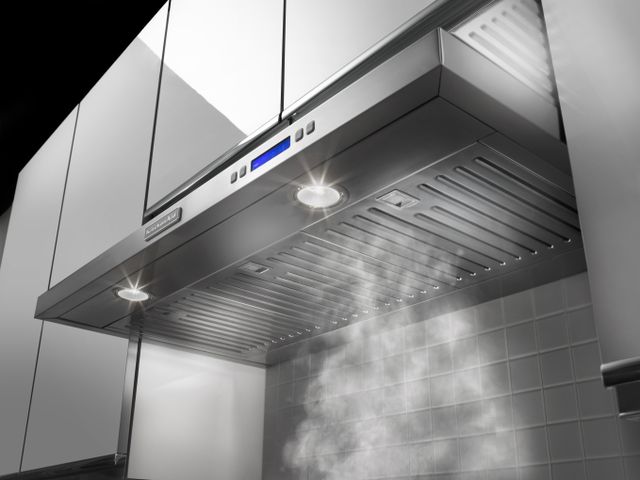
Overlooking the CFM rating for range hood units leads to terrible airflow performance. CFM stands for cubic feet per minute, measuring exactly how much air the blower motor can extract from the room. Choosing a weak motor means the hood simply recycles smoky air instead of physically pushing it outside the home.
Calculating Power for Your Burners
Meeting proper gas stove range hood requirements involves specific math based on your total heat output. For gas units, divide the total BTUs of all burners by 100 to find your baseline CFM target. Electric and induction models require about 100 CFM for every ten inches of stove width.
| Cooktop Type | Minimum Airflow Requirement | Best Application |
|---|---|---|
| Standard Electric | 100 CFM per 10 inches of width | Casual daily cooking |
| Standard Gas | 100 CFM per 10,000 BTUs | Frequent weeknight meals |
| Pro-Style Gas | 600 to 1,200 total CFM | Heavy searing and wok cooking |
Going too high without proper planning causes separate issues entirely. Installing an oversized blower without makeup air pulls conditioned heating or cooling right out of your house, wasting massive amounts of energy. It also drastically increases the range hood noise level dB, making the kitchen uncomfortably loud.
Ductwork can also determine how much of the advertised CFM reaches the kitchen. Long duct runs, narrow passages, flexible materials, and repeated elbows create resistance that reduces effective airflow. A short, smooth metal duct with limited turns generally allows the blower to exhaust air more efficiently. High-powered systems may also require make-up air to replace the air removed from the home. Local building requirements and the manufacturer’s instructions should be reviewed before installation so the ventilation system performs safely without creating pressure problems elsewhere in the house.
Harsh Chemicals and Improper Stove Top Maintenance

Shifting focus to the cooking surface itself, improper stove top maintenance ruins expensive appliances fast. Many homeowners reach for heavy chemical degreasers or abrasive scouring pads to fight baked-on food. These harsh materials easily scratch delicate stainless steel finishes and can shatter ceramic glass cooktops under heavy pressure.
Preventing kitchen grease buildup requires gentle, consistent cleaning routines. Daily wipe-downs with a simple mixture of hot water and liquid dish soap melt away fresh grease safely. Matching cooktop and hood maintenance habits keeps the entire cooking zone looking pristine.
Avoiding permanent damage means paying attention to specific components:
- Glass Surfaces: Use dedicated ceramic creams and non-scratch microfiber cloths only.
- Stainless Grates: Soak heavy cast-iron grates in warm soapy water rather than scrubbing them dry.
- Burner Ports: Clean out clogged gas ports with a soft pin to maintain even heating and fuel efficiency.
Allow every surface to cool before beginning stove top maintenance, and check the manufacturer’s care instructions before applying any product. Spills containing sugar require prompt attention on ceramic glass because they can bond to the hot surface as they cool. Gas burner caps should also be returned to their correct positions after cleaning, since a misaligned cap can interrupt ignition or create an uneven flame. Small, consistent cleaning habits protect the finish and help the cooking surface continue operating as intended.
Skipping Filter Maintenance and Increasing Fire Risks
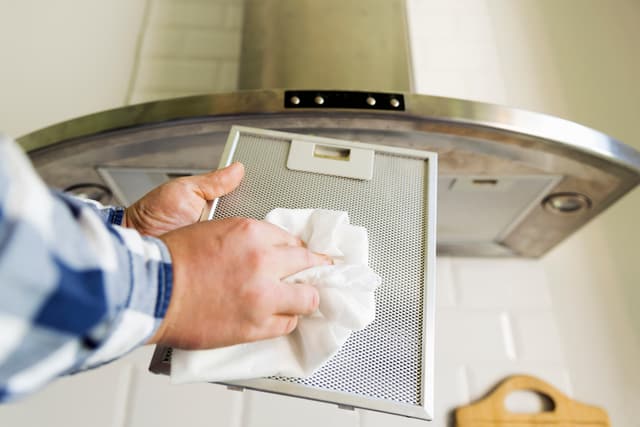
Neglecting to clean the internal components creates a massive range hood fire hazard right above your cooking surface. As the blower pulls air upward, heavy grease particles naturally stick to the metal baffles or mesh screens. Once these filters become completely saturated, the grease buildup drips back down toward the open flames below.
A blocked filter also forces the motor to overwork, drastically reducing suction power and shortening the lifespan of the appliance. Cleaning range hood grease filters keeps the system running safely and quietly.
Routine Filter Care
Establishing a maintenance schedule protects your home and your equipment. If you cook daily, maintaining this routine is absolutely mandatory for safety.
- Mesh Filters: Submerge aluminum screens in hot water and degreaser every four weeks.
- Baffle Filters: Run stainless steel baffles through the dishwasher on a heavy cycle monthly.
- Charcoal Filters: Replace the carbon inserts in a ductless vs ducted range hood every three to six months.
Cooking frequency and technique should guide the maintenance schedule. Households that frequently fry, sear, or cook with oil may need to wash range hood filters more than once per month. Inspect the hood interior at the same time for grease around the blower housing, lights, and seams, but avoid spraying liquid directly into electrical components. After cleaning, let each filter dry completely before reinstalling it. Keeping the entire stove top and range hood area free of accumulated grease supports stronger airflow, reduces odors, and lowers the amount of flammable residue above the cooking surface.
Upgrade Your Kitchen with the Right Stove Top and Range Hood

Avoiding common sizing mistakes and calculating your CFM needs accurately keeps your kitchen completely free of smoke. Pairing the right airflow with consistent filter cleaning and safe surface maintenance extends the life of your appliances significantly.
Ready to upgrade your stove top and range hood? Consult with the appliance experts at Specialty Appliance to find the perfect match for your culinary style. With over twenty years of experience in Colorado, our team provides personalized showroom consultations and factory-certified installation that big-box competitors simply cannot match.
Stove Top and Range Hood FAQs
The standard range hood mounting height for gas ranges sits strictly between 24 and 30 inches above the cooking surface. Placing it any higher allows smoke to drift away, while mounting it lower creates a dangerous fire hazard.
You need approximately 100 CFM for every 10,000 BTUs of total heat output generated by your gas burners. Electric models generally require 100 CFM for every ten inches of cooktop width to capture steam effectively.
Yes, the hood should ideally measure three to six inches wider than the cooking surface below it. This extra width creates a capture canopy that traps expanding smoke before it hits your surrounding cabinetry.
A clogged filter severely restricts airflow, forcing the internal motor to overheat while recycling greasy air back into the room. This accumulated grease also acts as highly flammable fuel if a pan catches fire below.
You should completely avoid using ductless hoods over high-output professional gas ranges. Ductless models simply recirculate the heavy smoke and excess heat back into the kitchen instead of physically exhausting it outdoors.
The safest method involves applying a specialized ceramic cleaning cream and wiping the surface gently with a soft microfiber cloth. Scraping with razor blades or using abrasive sponges will permanently scratch the delicate glass.
Why Trust the Experts at Specialty?
For over 20 years, Coloradans have relied on us for the best in home appliances. We believe in providing a personalized experience for every customer. Our experts take the time to listen to your needs, preferences, and budget constraints, offering tailored recommendations and solutions that fit your unique requirements. Whether you're remodeling your kitchen or replacing a single appliance, you can trust our experts to provide honest, unbiased advice that prioritizes your satisfaction. A factory-certified team ensures a hassle-free experience, meticulously handling every detail from delivery to installation. Plus, with our wide variety of brands and models, you'll have access to the latest innovations, stylish designs, and reliable performance.
At Specialty Appliance, integrity, accountability, and teamwork are at the core of everything we do. We're committed to empowering you to make smarter choices and providing an exceptional customer experience. Proudly serving communities across Colorado, we're dedicated to being your trusted partner for appliance excellence.
Shop Ranges at Specialty Appliance
Whether you’re interested in the latest ranges or have more questions about freestanding electric ranges, we're here to help. Discover the Specialty Appliance difference today at one of our five showrooms across Colorado.
Learn More: How an LG Gas Range Brings Smart Control to Your Kitchen